Prevention
HPV Vaccine: Who Needs It and How It Works
How the HPV vaccine works, who it is recommended for, the dosing schedule, side effects, and why cervical screening is still needed afterwards.
Reliable, expert-written guides on women's health, IVF and gynecology.
How the HPV vaccine works, who it is recommended for, the dosing schedule, side effects, and why cervical screening is still needed afterwards.
How IUI and IVF differ in process, monitoring and suitability, when each is considered, and the factors that guide a personalised treatment plan.
What AMH measures, how results are interpreted alongside age, what low and high AMH can mean, and why the number should never be read on its own.
What causes pelvic pain in women, what sudden stabbing pain can mean, cyclical and chronic causes, and the red flags that need urgent care.
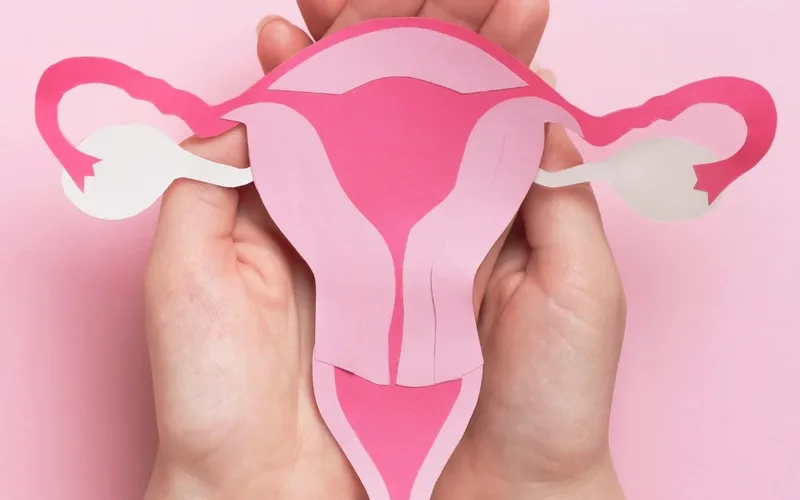
Adenomyosis grows into the womb wall while endometriosis grows outside it.
Preeclampsia warning signs, how quickly it can develop, whether it can occur without high blood pressure, and postpartum preeclampsia explained.
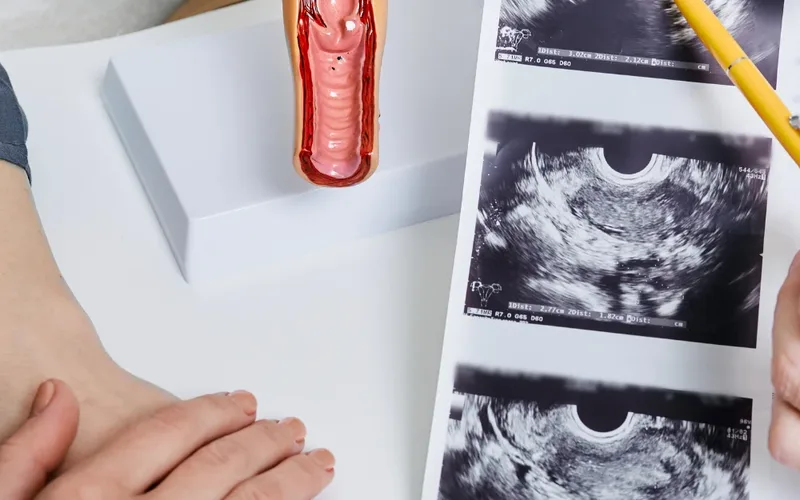
What uterine polyps are, the bleeding patterns they cause, how they differ from fibroids, whether they are cancerous and how they are removed.
How endometrial thickness changes through the cycle, what is normal before and after menopause, and what a thin or thick lining can mean.
Copper and hormonal IUDs compared: how insertion works, what to expect in the first months, side effects, removal and how quickly fertility returns.
Thrush, bacterial vaginosis and urinary infections cause different symptoms.
The luteal phase is the second half of your cycle, after ovulation.
Bacterial vaginosis causes thin grey discharge with a fishy smell.
Implantation bleeding is light pink or brown spotting about 6 to 12 days after conception, lasting hours to two days. Here is how it differs from a period.
Many fibroids cause no symptoms. When they do, heavy periods, pelvic pressure, frequent urination and back pain are most common. Location matters more than size.
Clear or milky white discharge without a strong smell is normal. Green, grey, frothy or foul-smelling discharge, or itching and burning, should be assessed.
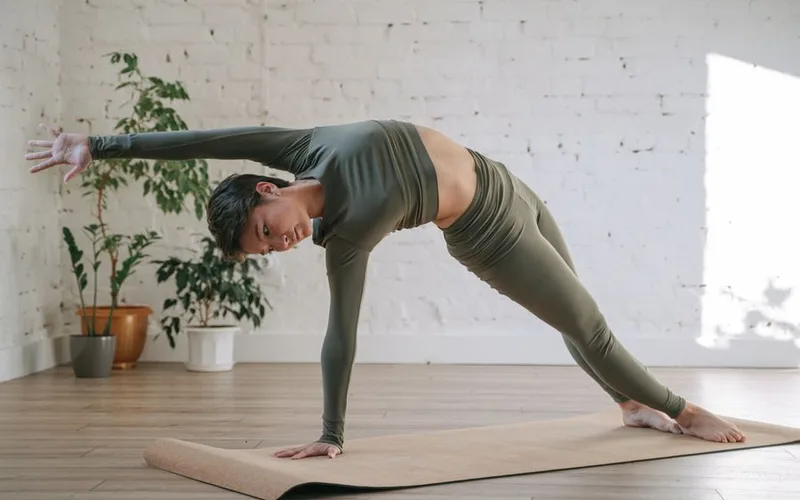
The clearest signs are stretchy egg-white cervical mucus, a small temperature rise after ovulation and mild one-sided pelvic ache. Here is how to track your fertile window.
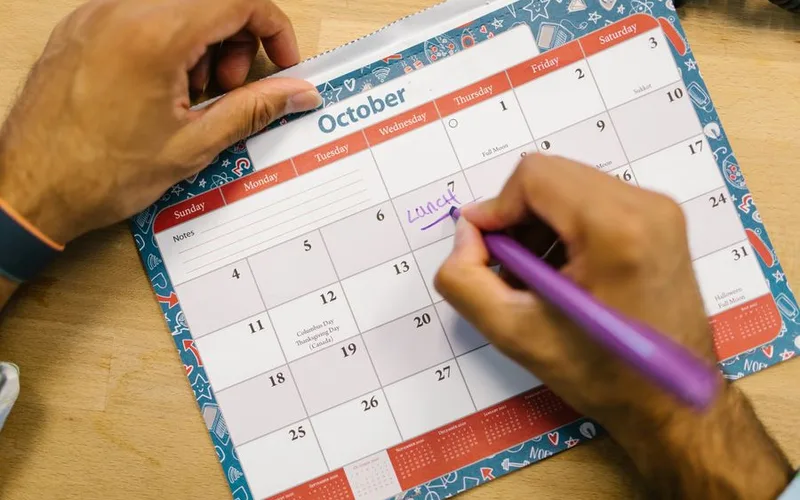
A cycle is irregular if it is consistently under 21 or over 35 days, or varies widely. PCOS, thyroid problems, stress and weight change are common causes.
A PCOS-friendly diet keeps blood sugar steady with whole foods, protein, fibre and healthy fats, while limiting refined carbs and sugar. Here is what to eat and what to avoid.
IVF follows a clear sequence: ovarian stimulation, egg collection, fertilisation, embryo development and embryo transfer, then a pregnancy test. Here is what to expect at each stage.
Most ovarian cysts cause no symptoms and clear up on their own. Learn the common signs, the warning signs that need urgent care, and when to see a doctor.
The earliest signs of PCOS usually appear as irregular periods, excess hair growth, acne and difficulty managing weight. Here is what to look out for and when to seek help.

Endometriosis often feels like intense, cramping pelvic pain that is worse than typical period pain and may occur at other times too. Here is what it can feel like and when to seek help.
Yes, the great majority of women with PCOS can get pregnant. The main obstacle is usually irregular ovulation, which can often be corrected with lifestyle changes and, when needed, ovulation-supporting treatment.
Yes, many women with endometriosis conceive, sometimes naturally and sometimes with treatment. While endometriosis can make conceiving harder, options such as laparoscopic surgery and IVF can improve the chances.

Losing weight with PCOS can feel harder because of insulin resistance, but a focus on insulin sensitivity, balanced nutrition, movement and sleep makes it achievable, and even modest loss improves symptoms and fertility.

Endometriosis does not directly cause weight gain, but bloating (often called 'endo belly'), hormonal treatments and reduced activity due to pain can all affect your weight and how you feel.
Contact us to book an appointment, learn about your treatment or get an expert opinion.