The earliest signs of PCOS usually appear as irregular periods, excess hair growth, acne and difficulty managing weight. Here is what to look out for and when to seek help.
Polycystic ovary syndrome (PCOS) is one of the most common hormonal conditions in women of reproductive age, yet it often goes unrecognised for years. Knowing the early signs can help you seek assessment sooner and manage the condition before complications develop.
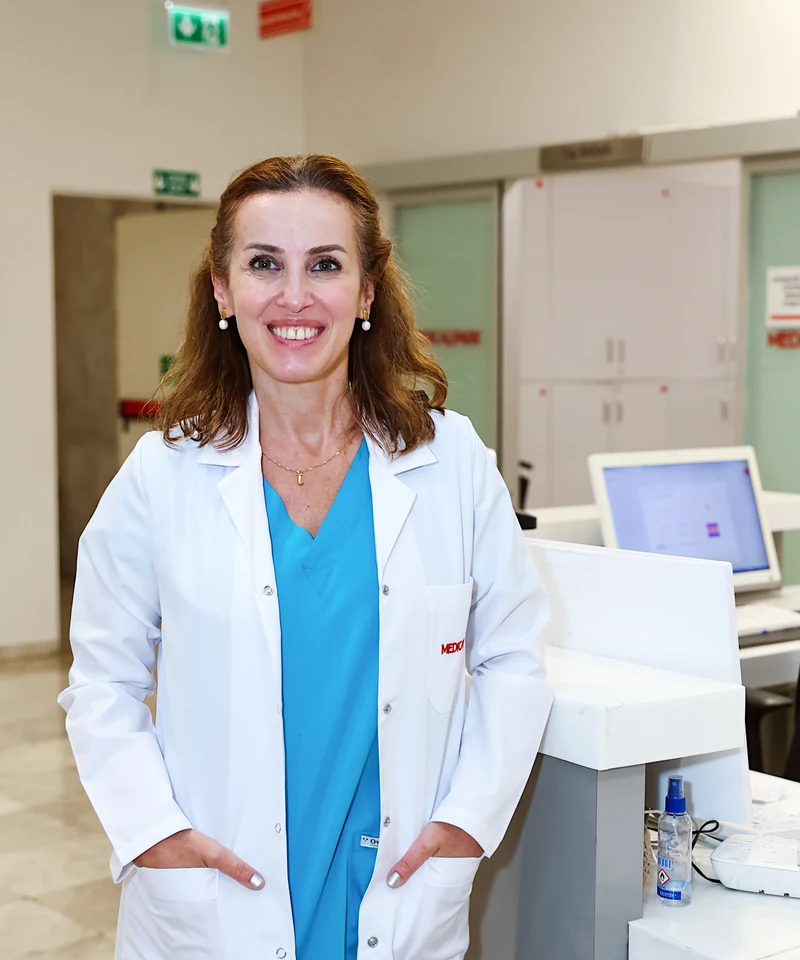
In this guide, Op. Dr. Ayşet Jane Özcan explains the first signs of PCOS, why they happen, how the condition is diagnosed and when you should see a doctor.
Quick Answer: The First Signs of PCOS
The earliest and most common signs of PCOS are irregular, infrequent or absent periods, together with signs of higher androgen (male-hormone) levels such as excess hair growth, acne and scalp hair thinning. Many women also notice weight gain or difficulty losing weight.
You do not need to have all of these signs to have PCOS. Often, just one or two, most commonly irregular periods, are the first clue that leads to diagnosis.
Early Symptoms to Look Out For
PCOS shows up differently in each woman, but the early signs usually fall into a few groups:
- Irregular, infrequent or missed periods (the most common early sign)
- Excess hair growth on the face, chin, chest or abdomen (hirsutism)
- Persistent acne or oily skin, especially along the jawline
- Thinning hair or hair loss on the scalp
- Weight gain or difficulty losing weight
- Difficulty getting pregnant, due to irregular ovulation
These signs can begin around puberty or become more noticeable later in life. Because they develop gradually, they are easy to dismiss, which is why PCOS is often diagnosed late.
Why Does PCOS Happen?
The exact cause of PCOS is not fully understood, but several factors work together. A genetic tendency plays an important role, so PCOS often runs in families.
Insulin resistance sits at the centre of PCOS for many women. When the body cannot use insulin effectively, it can raise androgen levels and disrupt ovulation. This is why weight management and improving insulin sensitivity are such important parts of treatment.
Low-grade inflammation and hormonal imbalance also contribute. This combination explains why PCOS can look so different from one woman to the next.
How Is PCOS Diagnosed?
PCOS is not diagnosed with a single test. Instead, the diagnosis is based on a combination of your symptoms, an examination, an ultrasound and blood tests. Generally, at least two of three criteria are needed: irregular ovulation, signs of high androgens, and a polycystic appearance of the ovaries on ultrasound.
During assessment, your cycle, symptoms and history are discussed. An ultrasound examines the ovaries, and blood tests check hormone levels. Importantly, seeing small follicles on an ultrasound alone does not confirm PCOS, a full evaluation is needed to rule out other conditions that can look similar.
Managing PCOS: What Can Be Done?
There is no single 'cure' for PCOS, but it can be managed very effectively and tailored to your goals, whether that is regulating periods, reducing hair and skin symptoms, or trying to conceive.
Lifestyle changes are the foundation of management. A balanced diet, regular physical activity and reaching a healthy weight can reduce insulin resistance and noticeably improve many symptoms. Even small, sustainable changes make a real difference.
When needed, medication is added, for example to regulate the cycle, improve insulin sensitivity or stimulate ovulation in women trying to conceive. The right approach is chosen individually for you.
PCOS and Fertility: Can I Get Pregnant?
Although PCOS is one of the most common causes of difficulty conceiving, the great majority of women with PCOS can have children with the right support. The underlying issue is usually irregular ovulation, which can often be corrected.
For women planning pregnancy, lifestyle changes and, when needed, ovulation induction are the first steps. If these are not enough, advanced methods such as IVF may be considered. The key is to manage the process at the right time and with the right plan.
When to See a Doctor
If you have irregular periods, noticeable excess hair growth, stubborn acne, weight difficulties or trouble getting pregnant, it is worth seeing an obstetrician and gynecologist. Early assessment helps manage symptoms and address longer-term health risks such as diabetes and cardiovascular health.
Op. Dr. Ayşet Jane Özcan offers an individual, evidence-based approach to diagnosing and managing PCOS in Bahçelievler, Istanbul. You are welcome to book an appointment with any questions about your health.
References
This article was prepared with reference to the following independent health sources.
- NHS. Polycystic ovary syndrome (PCOS)
- NICHD (NIH). Polycystic Ovary Syndrome