Yes, the great majority of women with PCOS can get pregnant. The main obstacle is usually irregular ovulation, which can often be corrected with lifestyle changes and, when needed, ovulation-supporting treatment.
Polycystic ovary syndrome (PCOS) is one of the most common causes of difficulty conceiving, but it is far from a barrier to motherhood. With the right support, the great majority of women with PCOS can and do get pregnant.
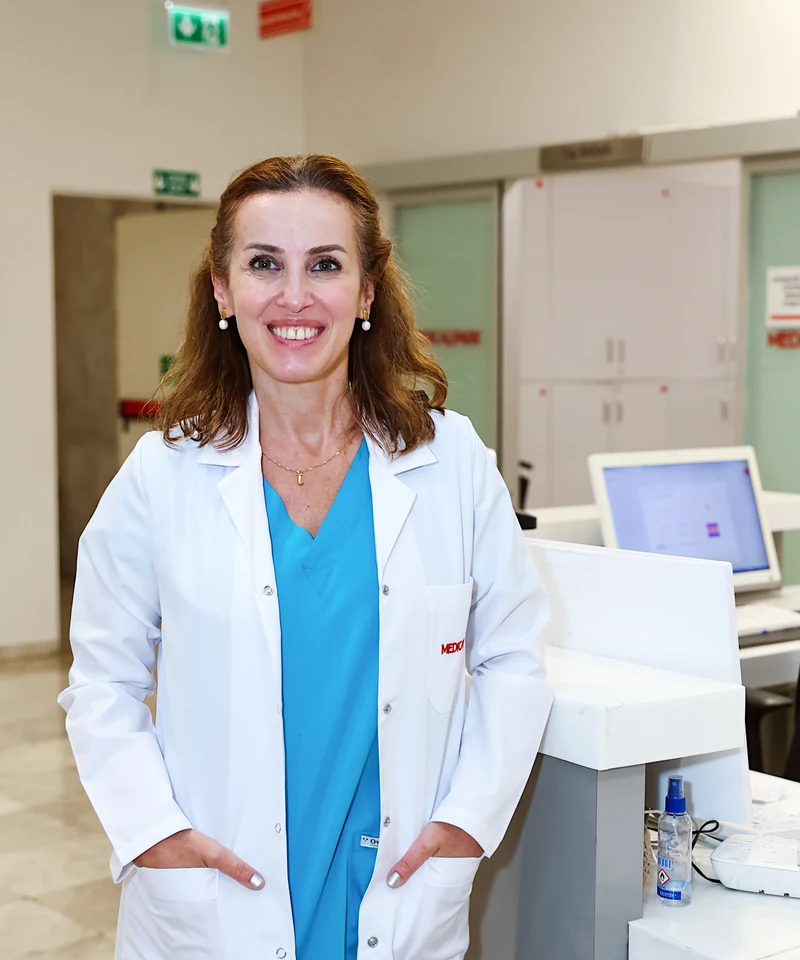
In this guide, Op. Dr. Ayşet Jane Özcan explains how PCOS affects fertility, what you can do to improve your chances, and which treatments are available if you need extra help.
Quick Answer: Can You Conceive With PCOS?
Yes. PCOS makes conceiving harder for some women, mainly because it disrupts ovulation, the monthly release of an egg. But irregular ovulation can often be corrected, and many women with PCOS conceive naturally or with simple treatments.
The key is understanding your own cycle and, if pregnancy does not happen within a reasonable time, getting assessed early rather than waiting.
How PCOS Affects Fertility
In PCOS, hormonal imbalance can prevent the ovaries from releasing an egg regularly. Without ovulation, pregnancy cannot occur in that cycle. This is why women with PCOS often have irregular or infrequent periods.
Insulin resistance, which is common in PCOS, can worsen this hormonal imbalance. Addressing it, through weight management and lifestyle changes, often improves ovulation and, in turn, fertility. Importantly, PCOS does not usually affect the quality of the eggs themselves.
What You Can Do to Improve Your Chances
Lifestyle changes are the foundation and, for many women, the most powerful step. If you are overweight, losing even a modest amount of weight can restore ovulation and improve your chance of conceiving.
- Aim for a balanced diet and regular physical activity to improve insulin sensitivity
- Reach and maintain a healthy weight where relevant
- Take folic acid before and in early pregnancy
- Stop smoking and limit alcohol
- Track your cycle so ovulation can be identified
These changes not only improve fertility but also support a healthier pregnancy once you conceive.
Treatment Options for PCOS and Fertility
If lifestyle changes are not enough, medical treatment can help. The first step is usually ovulation induction, tablets or injections that stimulate the ovaries to release an egg. The process is monitored with ultrasound to time it correctly.
If ovulation induction does not lead to pregnancy, or if there are other fertility factors, advanced methods such as IVF may be considered. Treatment is always tailored to your age, test results and goals. With a step-wise plan, most women with PCOS have a very good chance of conceiving.
When to See a Specialist
If you have PCOS and have been trying to conceive without success for a year (or six months if you are over 35), it is worth seeing a specialist. If your periods are very irregular, seeking advice earlier can save valuable time.
Op. Dr. Ayşet Jane Özcan offers individual, evidence-based fertility care for women with PCOS in Bahçelievler, Istanbul. You are welcome to book an appointment to discuss your options.
References
This article was prepared with reference to the following independent health sources.
- NHS. Polycystic ovary syndrome (PCOS)
- NICHD (NIH). Polycystic Ovary Syndrome