
Infertility Treatment
A scientific, individual and hopeful approach on your journey to parenthood.
Learn moreProtecting your health at every stage through regular follow-up and early diagnosis.
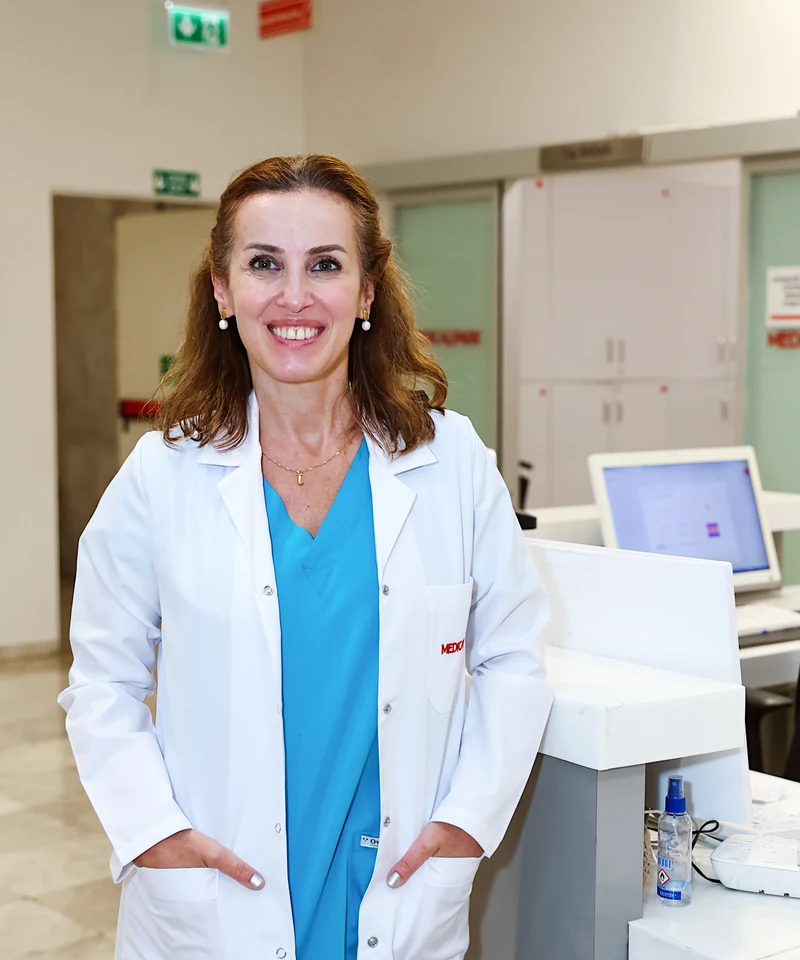
Women's health covers the regular follow-up of the reproductive system from adolescence to menopause, together with the early diagnosis and treatment of gynecological conditions. At least one annual gynecological exam, a smear test and age-appropriate screening are recommended. Op. Dr. Ayşet Jane Özcan provides individualized, evidence-based women's health care in Bahçelievler, Istanbul.
Women's health is a specialised field that requires lifelong follow-up, not only when a complaint arises. Adolescence, the reproductive years, pregnancy and menopause each bring different needs. Managing these stages well directly affects both your quality of life today and your health in the future.
Regular gynecological check-ups allow many conditions to be caught before they cause symptoms. Cervical cancer, fibroids, ovarian cysts, infections and hormonal imbalances are far easier and more comfortable to treat when found early.
Op. Dr. Ayşet Jane Özcan evaluates each patient's history holistically and builds a personalised care plan supported by examination, ultrasound and the necessary laboratory tests. The aim is to see you not as a list of complaints, but as the person at the centre of your own health journey.
The female body is influenced throughout life by continuously changing hormonal cycles. These cycles affect menstruation, fertility, bone health, mood and cardiovascular health. Gynecological health is therefore a broad subject that concerns the whole body.
Many gynecological conditions progress silently and may cause no symptoms until an advanced stage. Regular follow-up keeps the window for early diagnosis open and prevents problems that could be resolved with simple measures from growing. Early diagnosis usually means less invasive treatment and a higher chance of success.
For this reason, our approach to women's health is built not on 'treating disease once it appears' but on 'protecting health and managing risks early'.
You should consult a specialist without delay in the following situations. Although most of these symptoms have benign causes, it is important that the differential diagnosis is made by a physician:
Even if you have no complaints, an annual check-up is the cornerstone of women's health. These visits provide both screening and a safe space to ask any health-related questions.
A routine gynecological assessment begins with a detailed conversation. Your menstrual history, past illnesses, surgeries, medications and family history are recorded. This information is the key to building a screening plan tailored to you.
A gynecological examination and, where needed, an ultrasound follow. Ultrasound is a painless, radiation-free method for assessing the uterus, ovaries and uterine lining. A smear, HPV test and blood tests are added when required.
The main assessments performed during the visit include:
Cervical cancer is one of the few cancers that can be prevented through regular screening. Almost all cervical cancer is linked to HPV (Human Papillomavirus), and cellular changes can be detected years before they turn into cancer.
A smear test catches these early changes by examining cells taken from the cervix. An HPV DNA test directly shows whether the virus is present. Used together, these tests provide much stronger protection.
The HPV vaccine complements screening by protecting against the highest-risk virus types. We provide personalised advice on who should be vaccinated and at what age. Remember: being vaccinated does not remove the need to continue regular screening.
The most common conditions in women's health include fibroids, ovarian cysts, polyps, endometriosis, polycystic ovary syndrome (PCOS) and various infections. Most of these are benign and are managed successfully with appropriate follow-up or treatment.
Many fibroids and functional cysts do not require surgery; they can be monitored according to size, growth rate, symptoms and pregnancy plans. When surgery is needed, organ-preserving options are offered using laparoscopic (keyhole) or hysteroscopic techniques.
Hormonal disorders such as PCOS are controlled with lifestyle changes, weight management and, when needed, medication. As this condition can also affect fertility, treatment in patients planning pregnancy is shaped around that goal.
Menopause is a natural stage of life when menstrual cycles permanently end. Symptoms such as hot flushes, sleep disturbance, mood changes and vaginal dryness can affect quality of life. With the right approach, this stage can be experienced safely and comfortably.
Two important issues stand out during menopause: bone loss (osteoporosis) and cardiovascular health. These risks are managed with bone-density measurement, nutrition and exercise advice, and, where needed, vitamin, calcium and hormone support.
Op. Dr. Ayşet Jane Özcan's scientific work on postmenopausal bone health supports an evidence-based, individual approach for patients in this stage.
In adolescence the focus is on settling the menstrual cycle; in the reproductive years on fertility and contraception; in pregnancy on maternal and fetal health; and in menopause on quality of life and chronic-disease prevention. Each stage requires a different screening and care plan.
Our approach sees these stages not as separate episodes but as parts of a single health journey. In this way, decisions made in one stage also support health in the next. Transparent communication, trust and continuity are the foundations of this approach.
Many myths about women's health can delay women from seeing a doctor at the right time. One of the most common misconceptions is the idea that 'if I have no complaints, I don't need an exam'. In reality, many gynecological conditions progress silently and can only be caught early through regular screening.
Another common misconception is the belief that a smear test is painful or harmful. In fact, a smear is a painless and extremely valuable screening method lasting a few seconds. Similarly, the idea that ultrasound harms the baby or the body is untrue; ultrasound is based on sound waves and contains no radiation.
The belief that menopause is 'a phase to be endured' is also mistaken. With appropriate follow-up and treatment, menopausal symptoms can be noticeably eased and this period can be lived without sacrificing quality of life. Accurate information is the basis of healthy decisions.
A first gynecological exam can feel worrying, especially for younger women. For this reason we always begin the consultation in a comfortable, non-judgemental and informative setting. First, your health history is heard; your menstrual pattern, any complaints and your general health are assessed.
The examination and any ultrasound considered necessary are performed with the steps explained in advance and with your consent. No procedure is carried out before you feel ready and understand what will be done. Our aim is for this visit to be an opportunity to protect your health, not a source of anxiety.
At the end of the consultation, the findings are explained in plain language and any next steps are planned together. Providing a space where you can ask every question on your mind is an inseparable part of this process.
Our women's health service is based on a person-centred rather than a disease-centred understanding. Every woman's history, priorities and life circumstances are different; instead of a one-size-fits-all approach, a care plan tailored to you is created.
Medical education completed at Istanbul University, Istanbul Faculty of Medicine, specialty training at Süleymaniye and international research experience form the basis of an evidence-based, up-to-date and reliable service. Membership of the Turkish Society of Obstetrics and Gynecology (TJOD) and the Turkish Society of Reproductive Medicine (TSRM) ensures that scientific developments are closely followed.
Transparent communication, respect for privacy and continuous accessibility are the core principles of our service. We value making decisions about your health together, with accurate information and without rushing.
Family planning is an important part of women's health, and a method suited to each woman's lifestyle, health and future plans can be found. Contraceptive options include the pill, the intrauterine device (IUD), injections and barrier methods.
Choosing the right method is individual. No single method is ideal for everyone; your age, health history, pregnancy plans and preferences are considered together to find the best option. Some methods can also help with issues such as irregular or painful periods.
Family-planning counselling covers not only preventing pregnancy but also guidance on timing and preparation when pregnancy is planned.
Breast health is an inseparable part of women's health. A breast examination can be included during regular gynecological check-ups. It is very important for women to know their own bodies and to seek help promptly when they notice an unusual change.
A palpable lump, skin dimpling, a change in the nipple or discharge should be assessed. Although most of these signs have benign causes, the differential diagnosis should be made by a physician. Age-appropriate screening recommendations are also planned individually.
Sexually transmitted infections (STIs) can affect women's health and fertility, but they are largely preventable and treatable. Some infections progress without symptoms and can damage the tubes, leading to infertility later.
The basis of protection is safe sexual health, regular check-ups and screening when needed. The HPV vaccine provides important protection against the virus types that can cause cervical cancer. Early assessment of any suspicious symptom makes treatment easier and prevents possible complications.
The greatest value of regular follow-up in women's health becomes clear over the long term. Regular check-ups over the years allow monitoring not only of current complaints but also of long-term issues such as bone health, hormonal balance, cardiovascular health and cancer risk.
An important advantage of building an ongoing relationship with a physician is that your history and values can be tracked over time. This makes an unusual change easier to notice and allows early intervention.
Regular follow-up also provides reassurance. A space where you can ask questions about your health, access accurate information and share your concerns contributes positively to your mental wellbeing.
This holistic, continuous approach is one of the most effective ways to protect women's health, and it retains its value at every age.
For healthy women, an annual gynecological exam and ultrasound are generally recommended. Smear screening starts after age 21 at intervals set by your doctor. If you have any symptoms, you should be seen without waiting.
A smear test is usually a painless procedure lasting a few seconds. You may feel mild pressure. For accurate results it is best not to be menstruating and to avoid intercourse or vaginal products for 48 hours beforehand.
No. Many fibroids and functional cysts can simply be monitored. The decision to operate is individual, based on size, growth rate, symptoms and pregnancy plans. When needed, organ-preserving laparoscopic techniques are used.
Yes. The HPV vaccine protects against the highest-risk virus types but does not cover all of them. Vaccinated women are therefore still advised to continue regular smear and HPV screening.
Treatment is individual. If symptoms seriously affect your quality of life, lifestyle changes, supportive therapies or, in suitable patients, hormone therapy are considered. The decision is made together, weighing benefits and risks.
It is enough to bring any previous tests, reports and a list of your medications. Noting your last menstrual date and current complaints makes the assessment easier.
Menstrual irregularity has many causes, including hormonal imbalances, thyroid problems, PCOS, stress or structural causes. Most are treatable, but it is important to identify the cause with an examination and the necessary tests.
A scientific, individual and hopeful approach on your journey to parenthood.
Learn more
One step closer to parenthood with the latest methods and patient-focused care.
Learn more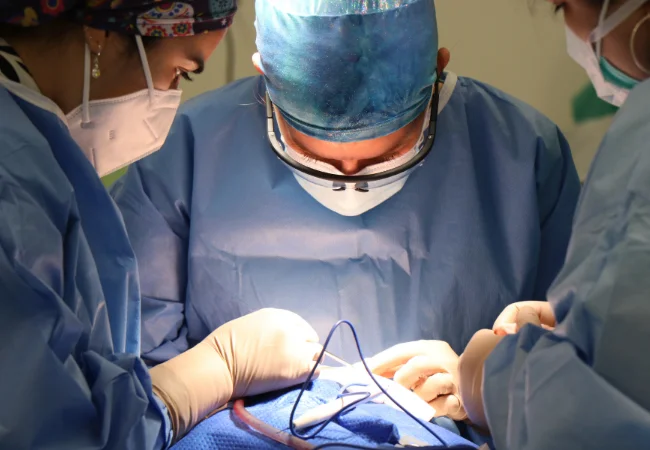
Small incisions, less pain and a fast return to daily life.
Learn moreContact us to book an appointment, learn about your treatment or get an expert opinion.