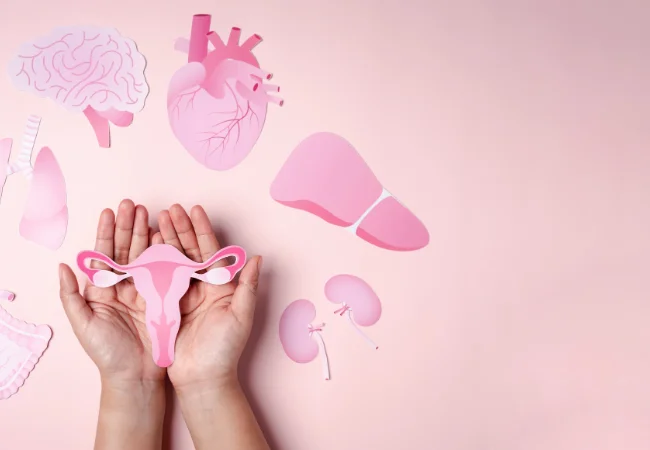
Women's Health
Protecting your health at every stage through regular follow-up and early diagnosis.
Learn moreA modern method that combines diagnosis and treatment by viewing inside the uterus directly.
Endoscopic surgery is the general name for methods in which the inside of the body is viewed directly with a camera to make a diagnosis and provide treatment. In gynecology, hysteroscopy (viewing inside the uterus) and laparoscopy (viewing inside the abdomen) are most common. Intrauterine polyps, fibroids, adhesions and septa can often be treated without any incision.
Endoscopic methods often combine diagnosis and treatment in a single session. Hysteroscopy in particular makes it much easier to investigate causes of bleeding, infertility or recurrent miscarriage by viewing the uterine cavity directly.
With her experience in endoscopic surgery, Op. Dr. Ayşet Jane Özcan offers her patients treatment options that are more comfortable, scar-free and quick to heal. These methods often make it possible to solve the problem without the need for major surgery.
On this page you will find, in detail, what endoscopic surgery is, when hysteroscopy is used, how the procedure is performed and its advantages.
Endoscopic surgery is the general name for procedures performed by viewing inside the body directly with thin instruments that have a camera and light at the tip. Instead of large incisions, this method uses either natural passages (hysteroscopy) or millimetre-sized incisions (laparoscopy).
There are two basic endoscopic methods in gynecology: hysteroscopy and laparoscopy. In hysteroscopy, a thin, lighted instrument is advanced into the uterus through the vagina and the uterine cavity is viewed directly. In laparoscopy, the camera is placed into the abdomen.
The greatest strength of these methods is that they can often combine diagnosis and treatment in a single session. For example, in hysteroscopy a polyp can be both seen and removed in the same session.
Hysteroscopy is used in both the diagnosis and treatment of many problems involving the uterine cavity. The most common situations are:
Many of these conditions cannot be fully assessed without imaging the inside of the uterus. Because hysteroscopy provides a direct view, it enables both the most accurate diagnosis and, when needed, immediate treatment.
In hysteroscopy, a thin, lighted instrument (hysteroscope) is advanced into the uterus through the vagina; no incision is made. The uterine cavity is gently widened with a sterile fluid to improve the view, and the inner surface is examined in detail.
Diagnostic procedures are short and often need no anaesthesia. When treatment is required, a polyp, fibroid or adhesion can be dealt with in the same session under light anaesthesia.
Laparoscopy, on the other hand, is used for endoscopic procedures inside the abdomen. In both methods, tissue damage is minimised and recovery is faster.
Endoscopic methods offer patients many advantages over traditional open surgery. These advantages stand out especially in terms of comfort, speed of recovery and preservation of fertility.
These advantages help patients decide on the procedure more easily and return to daily life quickly afterwards.
Problems inside the uterine cavity such as polyps, fibroids, adhesions or a septum can make it harder for the embryo to implant, leading to infertility or recurrent miscarriage. Hysteroscopy plays an important role both in detecting and in correcting these problems.
Especially before IVF treatment, assessing the uterine cavity with hysteroscopy and correcting it if needed can improve the chance of success. This assessment is not mandatory for every patient, but it is recommended if there is repeated failure or a suspicious image.
A hysteroscopy performed at the right time often removes an important obstacle with a simple procedure.
Endoscopic procedures are mostly day-case. After a short rest you can go home the same day and, in most cases, largely resume normal life the next day.
For a few days after the procedure there may be light spotting or a cramp-like sensation; these are usually normal and pass quickly. What you should watch out for is explained to you in detail after the procedure.
Every patient's recovery is individual; follow-up and communication are therefore an inseparable part of our approach.
Preparing for hysteroscopy is often simple because the procedure is usually incision-free and day-case. Even so, it is important to pay attention to a few points. The procedure is most often planned in the first days after menstrual bleeding has ended, because this is when the inside of the uterus is seen most clearly.
Any tests considered necessary are completed before the procedure, and your medications are shared with your doctor. If a treatment hysteroscopy is planned, light anaesthesia will be used, so you may be asked to fast for a certain period beforehand.
How the procedure will be performed, how long it will take and what to expect afterwards are explained in detail in advance. This information reduces anxiety and helps you feel ready for the process.
Recovery after hysteroscopy is usually very fast. After a short rest you can go home the same day and, in most cases, largely continue your daily life the next day. Requiring no major restriction is an important advantage of endoscopic methods.
Light spotting or a cramp-like sensation lasting a few days after the procedure is normal and usually resolves on its own. During this period it is enough to follow your doctor's advice and, if needed, use simple painkillers.
In unexpected situations such as heavy bleeding, high fever or severe pain, it is important to contact your doctor without delay. Every patient's recovery is individual, and follow-up is an inseparable part of this process.
Our endoscopic surgery approach aims to combine the most accurate diagnosis and treatment with the method that places the least burden on the patient. Especially in intrauterine problems, incision-free hysteroscopic methods often allow both diagnosis and treatment in a single session.
Experience in IVF and infertility gives a deep understanding of the importance of endoscopic assessment for fertility. Decisions about procedures are therefore made considering not only the current complaint but also future pregnancy goals.
Transparent communication, accurate information and continuous accessibility are the basis of our approach. Our aim is to make you a partner in informed decisions, from before the procedure to afterwards.
Hysteroscopy and laparoscopy, the two basic methods of endoscopic surgery, are often confused with each other. The difference between them relates to which part of the body the camera is directed towards. Both are minimally invasive methods based on camera imaging.
Hysteroscopy targets the uterine cavity and is performed through the vagina, without any incision. It is used in the diagnosis and treatment of problems such as intrauterine polyps, fibroids, adhesions and septa. The procedure is often day-case and recovery is very fast.
Laparoscopy, on the other hand, targets the abdominal cavity and is performed through millimetre-sized incisions around the navel. It is preferred in conditions such as ovarian cysts, fibroids, endometriosis and ectopic pregnancy. In some cases the two methods can be used together.
Which method is used is determined according to the source of the complaint, the type of condition and the patient's general state. Choosing the right method is very important both for the success of treatment and for comfort during recovery.
Intrauterine adhesions form when the inner walls of the uterus stick together, usually after a previous procedure or infection. This condition, also known as Asherman's syndrome, can cause menstrual irregularity, infertility or recurrent pregnancy loss.
Hysteroscopy is the most effective method for both diagnosing and treating these adhesions. During the procedure, the adhesions are seen directly and can be released without any incision. This helps restore a healthy uterine cavity and improves the chance of pregnancy.
Early diagnosis and correct treatment can greatly improve the outcomes of this condition.
Unexplained or persistent abnormal uterine bleeding is one of the most common reasons for hysteroscopy. Viewing the inside of the uterus directly allows polyps, fibroids or other structural causes of bleeding to be identified.
Methods such as ultrasound can show some problems, but hysteroscopy evaluates the uterine cavity most clearly and allows treatment in the same session when needed. For example, a polyp causing bleeding can be removed as soon as it is seen.
This approach offers both accurate diagnosis and a quick solution together, improving patient comfort.
Every endoscopic procedure begins with a careful pre-assessment. Your complaints, history and any previous tests are reviewed, and the necessary ultrasound and blood tests are completed. This ensures the procedure is performed with the right indication and safely.
Timing is also important; hysteroscopy is usually planned in the first days after menstrual bleeding has ended, because the uterine cavity is seen most clearly then. All of this planning is explained to you in advance and your questions are answered.
The strength of endoscopic surgery comes from providing direct, magnified imaging. Through the camera, the inside of the uterus or abdomen is seen in detail on a large screen. This allows even small details to be noticed and enables a precise intervention.
This imaging advantage both increases the accuracy of diagnosis and allows treatment to be carried out while preserving healthy tissue. For example, a small polyp or adhesion can be dealt with precisely by seeing it directly.
This incision-free or millimetre-incision approach places less burden on the patient; recovery is faster and comfort increases. All of this explains why endoscopic methods are so valuable in modern gynecology.
When applied with the right indication and experience, endoscopic surgery is both a safe and highly effective option.
Diagnostic hysteroscopy is usually completed quickly with only a mild, cramp-like sensation. Treatment procedures are performed under light anaesthesia, so no pain is felt.
Endoscopic procedures are mostly day-case. After a short rest you can go home the same day and largely resume normal life the next day.
Laparoscopy is the abdominal application of endoscopic surgery, while hysteroscopy targets the inside of the uterus. Both are endoscopic methods based on camera imaging.
It is not mandatory for every patient, but with repeated failure, a suspicious uterine image or a history of miscarriage, evaluating the uterus with hysteroscopy can improve the chance of success.
Light spotting lasting a few days is normal and usually resolves on its own. If there is heavy bleeding, fever or severe pain, you should contact your doctor.
Removal is recommended when polyps cause bleeding, infertility or recurrent miscarriage, or when they have suspicious features. For small, symptom-free polyps, follow-up may be an option; the decision is individual.
No. On the contrary, hysteroscopy performed for the right indication aims to improve the chance of pregnancy by removing obstacles inside the uterus. The procedure is carried out carefully to preserve fertility.
Protecting your health at every stage through regular follow-up and early diagnosis.
Learn more
A scientific, individual and hopeful approach on your journey to parenthood.
Learn more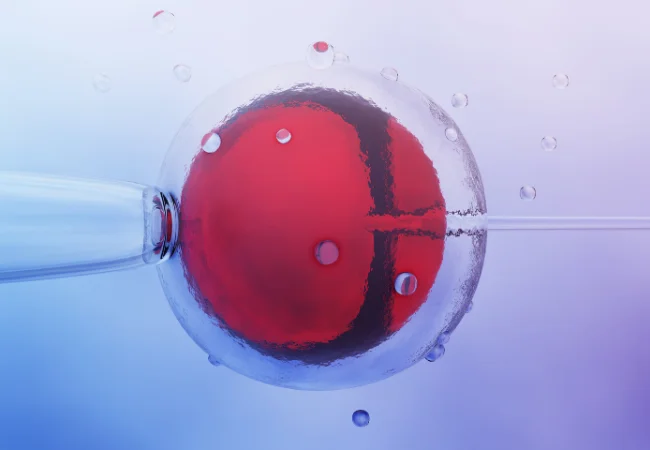
One step closer to parenthood with the latest methods and patient-focused care.
Learn moreContact us to book an appointment, learn about your treatment or get an expert opinion.