Endometriosis does not directly cause weight gain, but bloating (often called 'endo belly'), hormonal treatments and reduced activity due to pain can all affect your weight and how you feel.
Many women with endometriosis notice changes in their weight or a swollen, bloated abdomen, and wonder whether endometriosis is to blame. The relationship is real but often misunderstood.
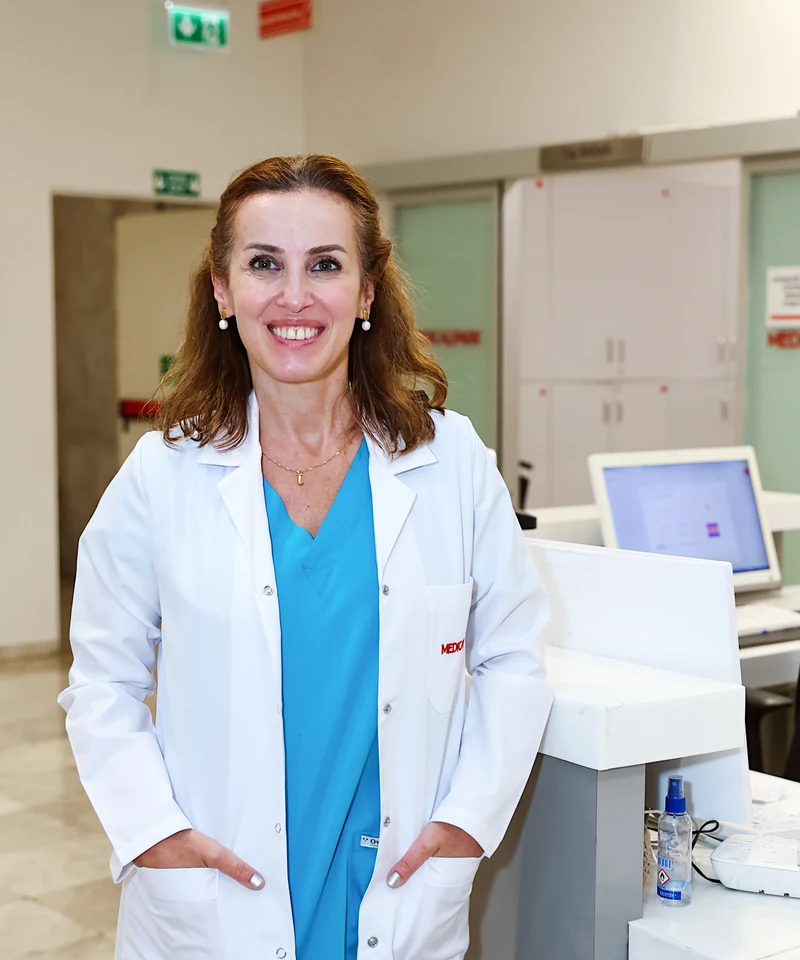
In this guide, Op. Dr. Ayşet Jane Özcan explains whether endometriosis causes weight gain, what actually drives the changes women notice, and what can help.
Quick Answer
Endometriosis does not directly cause weight gain in the way that, for example, a thyroid problem might. However, several things linked to endometriosis can affect your weight and how your body feels, including severe bloating, hormonal treatments and reduced physical activity because of pain.
So while endometriosis is not a direct cause of fat gain, it can genuinely influence weight and body image, and these concerns deserve to be taken seriously.
'Endo Belly': Bloating vs. Weight Gain
One of the most common experiences is severe abdominal bloating, sometimes called 'endo belly'. This can make the abdomen look and feel swollen and distended, especially around the period, and is often mistaken for weight gain.
This bloating is usually related to inflammation and the way endometriosis affects the bowel and pelvis, rather than an actual increase in body fat. It can come and go, sometimes dramatically, within the same day.
Other Factors That Can Affect Weight
Several factors linked with endometriosis can influence weight over time:
- Hormonal treatments used to manage endometriosis can affect appetite and fluid balance in some women
- Chronic pain and fatigue can reduce physical activity
- Pain and stress can affect eating patterns and sleep
- Bloating and discomfort can affect how clothes fit and how you feel
Each of these is manageable, and understanding the cause is the first step to addressing it.
What Can Help
The most effective step is to manage the endometriosis itself. Reducing inflammation and pain, through appropriate medical or, when needed, surgical treatment, often improves bloating and makes it easier to stay active.
Alongside this, gentle regular movement, a balanced anti-inflammatory-style diet, good sleep and stress management can all help you feel better and support a healthy weight. If weight changes are significant, it is also worth checking for other causes such as thyroid issues.
When to See a Doctor
If bloating, pain or weight changes are affecting your daily life, it is worth seeing a gynecologist. Persistent, severe bloating should always be assessed rather than dismissed.
Op. Dr. Ayşet Jane Özcan offers experienced care for endometriosis and women's health in Bahçelievler, Istanbul. You are welcome to book an appointment to discuss your symptoms.
References
This article was prepared with reference to the following independent health sources.
- NHS. Endometriosis
- World Health Organization. Endometriosis