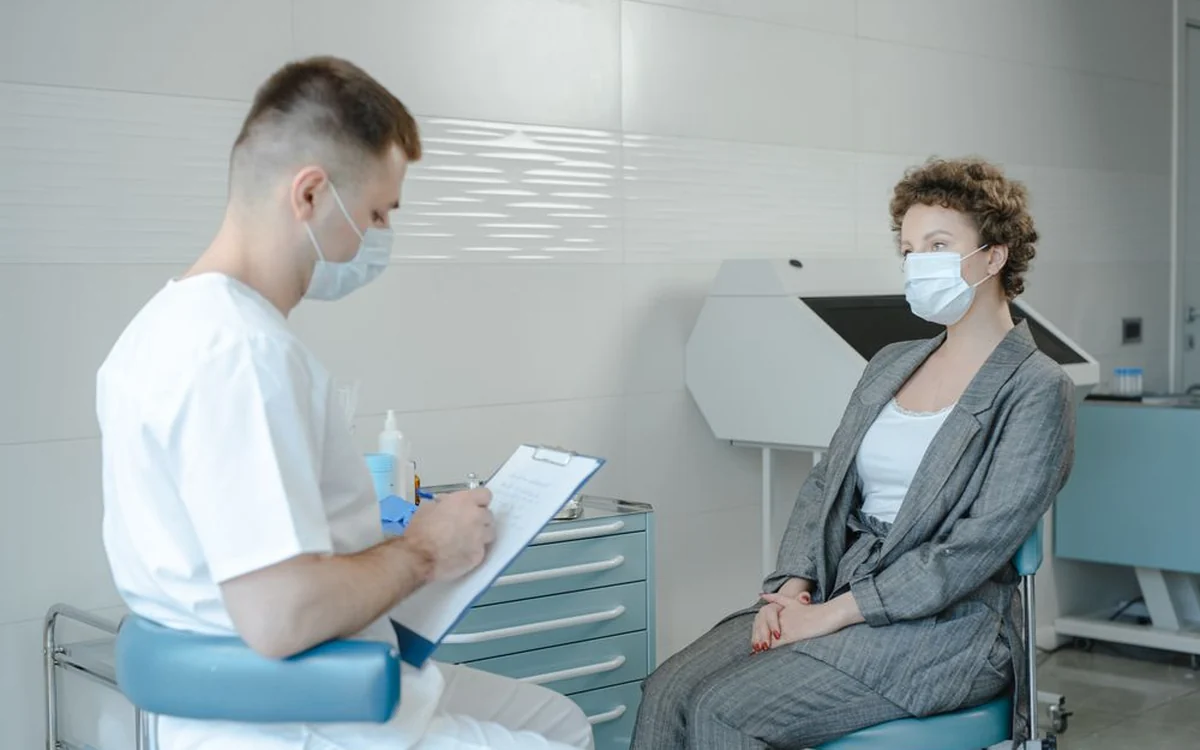
Many fibroids cause no symptoms at all. When they do, the most common signs are heavy or prolonged periods, pelvic pressure or pain, frequent urination and lower back pain. Symptoms depend more on location than on size.
Fibroids are benign (non-cancerous) growths that develop from the muscular wall of the uterus. They are very common in women of reproductive age, and a large proportion of women who have them never realise it.
In this guide, Op. Dr. Ayşet Jane Özcan explains which symptoms fibroids can cause, why location matters more than size, how they are diagnosed and which signs mean you should see a doctor.
Quick Answer: The Main Symptoms
The most frequently reported symptoms are heavy or prolonged menstrual bleeding, a feeling of pressure or fullness in the pelvis, needing to pass urine more often, and lower back or pelvic pain.
Importantly, many fibroids are completely silent and are found by chance during a routine scan. Having a fibroid does not automatically mean you need treatment.
Common Fibroid Symptoms
Symptoms vary widely between women. The ones most often described are:
- Heavy periods, sometimes with clots, or periods lasting longer than usual
- Bleeding between periods
- Pelvic pressure, heaviness or a feeling of fullness in the lower abdomen
- Needing to pass urine frequently, or difficulty emptying the bladder fully
- Lower back pain or discomfort during intercourse
- Constipation or bloating
- Tiredness or breathlessness caused by anaemia from heavy bleeding
Heavy bleeding is the symptom that most often leads women to seek help, partly because it can gradually cause iron deficiency.
Why Location Matters More Than Size
It is a common assumption that bigger fibroids always cause worse symptoms, but that is not the case. Where a fibroid sits within the uterine wall matters far more.
- Submucosal: grows into the uterine cavity and is most strongly linked to heavy bleeding and fertility problems, even when small
- Intramural: sits within the muscular wall and is the most common type
- Subserosal: grows outward and tends to cause pressure symptoms on the bladder or bowel
This is why a small fibroid in the wrong place can cause more trouble than a large one sitting on the outer surface.
Fibroids and Fertility
Most fibroids do not prevent pregnancy. However, those that distort the uterine cavity, particularly submucosal fibroids, can make it harder to conceive or to sustain a pregnancy.
If you are trying to conceive and have fibroids, an assessment can clarify whether they are likely to be relevant. Where treatment is needed, the aim is to remove the fibroid while preserving the uterus.
How Fibroids Are Diagnosed
Diagnosis usually begins with a pelvic examination and an ultrasound scan, which shows the number, size and position of any fibroids. This is quick and gives most of the information needed.
In some cases further imaging such as MRI, or a hysteroscopy to look inside the uterine cavity, is used to plan treatment more precisely. Blood tests may be done to check for anaemia if bleeding has been heavy.
When to See a Doctor
Make an appointment if your periods are heavy enough to disrupt daily life, if you soak through protection, pass large clots, bleed between periods, or feel persistent pelvic pressure. Increasing tiredness or breathlessness alongside heavy periods also warrants a check for anaemia.
Op. Dr. Ayşet Jane Özcan assesses and treats fibroids in Bahçelievler, Istanbul, including uterus-preserving surgical options where these are appropriate. You are welcome to book an appointment.
References
This article was prepared with reference to the following independent health sources.
- NHS. Fibroids
- NICHD. Uterine fibroids