Yes, many women with endometriosis conceive, sometimes naturally and sometimes with treatment. While endometriosis can make conceiving harder, options such as laparoscopic surgery and IVF can improve the chances.
A diagnosis of endometriosis often raises an anxious question: will I still be able to have children? The reassuring answer is that many women with endometriosis do get pregnant, sometimes naturally, and sometimes with the help of treatment.
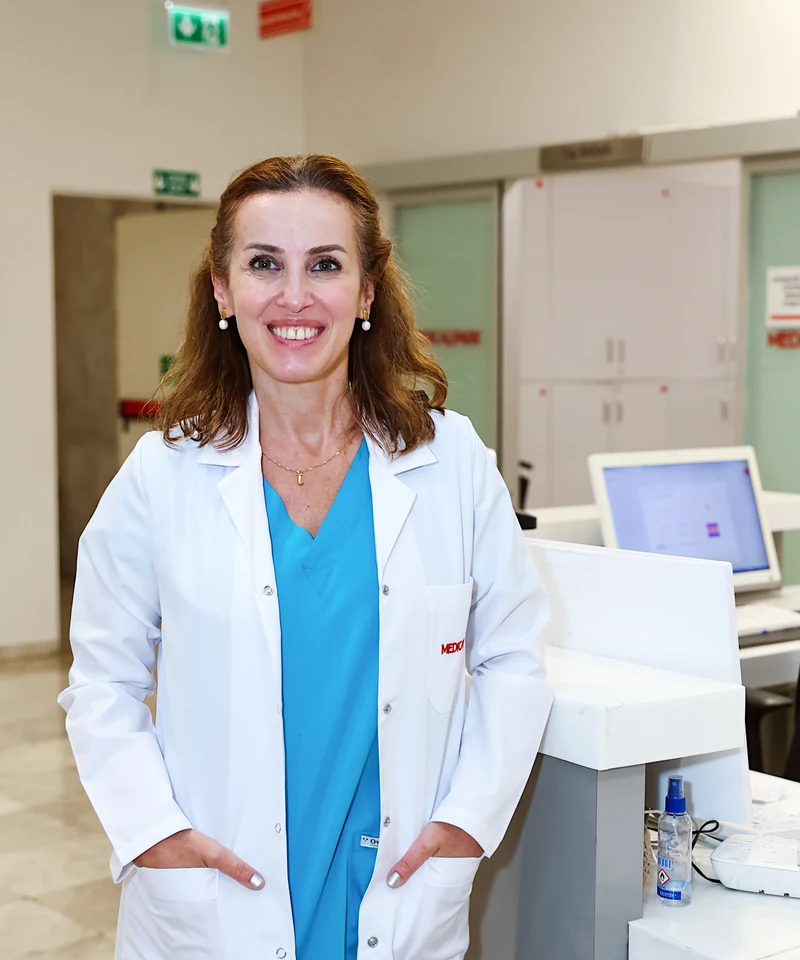
In this guide, Op. Dr. Ayşet Jane Özcan explains how endometriosis can affect fertility and what options are available to improve your chances of conceiving.
Quick Answer
Yes, you can get pregnant with endometriosis. The condition can make conceiving more difficult for some women, but it does not make pregnancy impossible. Many women conceive naturally, and for those who need help, treatments such as laparoscopic surgery and IVF can significantly improve the chances.
The impact of endometriosis on fertility varies widely, which is why an individual assessment is so important.
How Endometriosis Can Affect Fertility
Endometriosis can affect fertility in several ways. It may cause inflammation and adhesions (scar tissue) that distort the pelvic anatomy, affect the fallopian tubes, or involve the ovaries with cysts (endometriomas). In some cases it may also affect egg quality or implantation.
However, the degree of endometriosis does not always predict fertility. Some women with mild endometriosis struggle to conceive, while others with more extensive disease conceive naturally. This is why a personalised evaluation matters more than the stage alone.
Treatment Options to Improve Your Chances
The right approach depends on your symptoms, the extent of endometriosis, your age and how long you have been trying. There are several effective options:
- Laparoscopic surgery to remove endometriosis lesions and cysts while preserving healthy tissue
- Ovulation-supporting treatment and timed conception
- IVF, which can be particularly effective when tubes are affected or other factors are present
- Managing symptoms and general health to support conception
In suitable cases, laparoscopic treatment of endometriosis can improve both symptoms and the chance of natural pregnancy.
Why Early Assessment Matters
Because endometriosis is a progressive condition and fertility naturally declines with age, timing is important. If you have endometriosis and hope to have children, discussing your fertility with a specialist early, rather than waiting, helps you make informed decisions.
An early plan may mean simpler treatment and a better outcome. It also allows any underlying factors to be identified and addressed in good time.
When to See a Specialist
See a specialist if you have endometriosis and are planning pregnancy, if you have been trying to conceive without success, or if you have severe symptoms alongside difficulty conceiving.
Op. Dr. Ayşet Jane Özcan offers experienced care in endometriosis and fertility, including laparoscopic surgery, in Bahçelievler, Istanbul. You are welcome to book an appointment to discuss your situation.
References
This article was prepared with reference to the following independent health sources.
- NHS. Endometriosis
- World Health Organization. Endometriosis