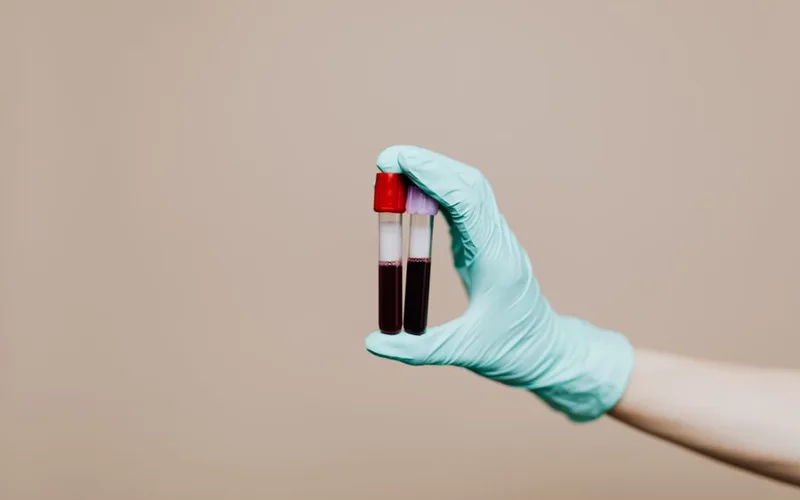
Egg freezing, or oocyte cryopreservation, collects mature eggs from your ovaries after roughly two weeks of hormone injections and then cools them in liquid nitrogen by vitrification, so they stop ageing. It is considered by women who are not ready to conceive and by women facing treatment or surgery that may damage the ovaries, but which of these indications a clinic may treat is set by national regulation: in Türkiye oocyte freezing is permitted only for defined medical indications, with no purely elective route, and eligibility is confirmed before a cycle begins. A cycle involves pre-treatment AMH and ultrasound assessment, 10 to 14 days of daily injections with monitoring scans, a short sedated retrieval, and then annual storage until the eggs are warmed and fertilised in a later IVF step.
In little over a decade, egg freezing has moved from an experimental technique offered mainly to women about to start cancer treatment to something widely discussed, and in some countries widely marketed, as a way of keeping options open. That shift has widened the conversation, but it has also filled the internet with half-answers. Many women arrive at a first consultation already familiar with the word vitrification and with almost no idea what the two weeks before it actually involve, or carrying a number of eggs they believe they are supposed to collect without knowing where that number came from.
One thing belongs at the very top, before any of the biology. Whether you can freeze eggs at all is not only a medical question but a legal one, and the answer differs sharply between countries. In Türkiye, oocyte freezing is permitted only for defined medical indications set out in national assisted reproduction regulation; there is no purely elective, age-related route, and eligibility has to be documented before a cycle can begin. So if you are reading this because you would like to freeze eggs for age-related reasons alone, the first question to put to a clinic is not what it costs but whether you qualify at all. The sections below describe how the procedure works where it is permitted.
With that established, this guide works through egg freezing the way I would explain it across a consultation: what the procedure physically is, who tends to consider it and at what age, which tests come first, what the stimulation and retrieval phase involves day by day, what can go wrong and which symptoms need urgent attention, what actually drives the cost, and what happens years later if and when the eggs are used. It is general patient information rather than a plan for any one woman, but it should let you walk into a consultation with sharper questions and fewer assumptions.
What Egg Freezing Is, in Plain Terms
Egg freezing, known medically as oocyte cryopreservation, means collecting mature eggs from your ovaries, cooling them to around minus 196 degrees Celsius in liquid nitrogen, and storing them until you want to use them. For those eggs, biological time stops. An egg frozen at thirty-one is still a thirty-one-year-old egg when it is warmed at thirty-nine.
The technique that made this reliable enough for routine use is vitrification, from the Latin for glass. An egg is a single large cell full of water, and water forms ice crystals when it freezes slowly, which damages the delicate internal structures that organise the chromosomes. Vitrification avoids ice altogether: the egg is passed through solutions containing cryoprotectants that replace much of its water, then cooled so fast that the remaining fluid solidifies into a glass-like state. Older slow-freezing methods were far less kind to eggs, which is why results from the 1990s tell you very little about the procedure as it is performed now, and why current guidance on fertility preservation treats vitrification as the method of choice.
It is worth separating egg freezing from embryo freezing. Freezing eggs needs no sperm, so no decision about a partner or a donor has to be made at the time. Freezing embryos means fertilising the eggs first, which brings a second person into the consent and into every later decision about those embryos. Which route makes sense depends on your circumstances and, importantly, on the law where you are treated.
What egg freezing does not do
In a natural month, one follicle usually becomes dominant and releases a single egg, which is why women tracking the signs of ovulation are watching a once-a-cycle event. Stimulation for egg freezing simply recruits more of the follicles that were already destined to grow in that cycle. Freezing eggs is not a treatment for infertility, it does not diagnose anything, and it is not insurance. It stores an option, and options can fail to pay out.
Who Considers Egg Freezing, and at What Age
Broadly, two groups consider it: women facing something that may harm their ovaries sooner, and women who want to preserve the option of biological motherhood for later. I have put them in that order deliberately, because in Türkiye, and in a number of other countries, only the first group has a permitted route.
That first group is also the clearer clinical case. It includes women about to start chemotherapy or pelvic radiotherapy, for whom fertility preservation should be discussed before treatment begins and referral made urgently, since there is often only a narrow window. It includes women due to have surgery that removes ovarian tissue, women with severe or recurrent ovarian endometriomas, where both the disease and its surgical treatment can reduce reserve, and women with documented low ovarian reserve or a recognised risk of premature ovarian insufficiency, including those with a family history of early menopause or a genetic cause such as a fragile X premutation or Turner syndrome. If you are weighing surgery for endometriosis and have not yet completed your family, reserve is part of that conversation, as explained in more detail in our guide on pregnancy with endometriosis. Where the law permits it, egg freezing is also offered to transgender men before starting masculinising hormone therapy.
Turner syndrome deserves two extra sentences rather than a line on a list. Egg collection is only feasible where ovarian function still remains, which in practice usually means the mosaic form and usually only if referral happens early, often in adolescence, so a late referral may find nothing left to collect. And because pregnancy in Turner syndrome carries a materially raised risk of aortic dissection and other cardiac complications, cardiac assessment and specialist obstetric counselling are needed before any stored eggs are used, not at the point at which a pregnancy has already begun.
The second group, women thinking about freezing for age-related reasons alone, is where the age question gets debated, and where the legal position decides whether the debate is live at all. Where elective freezing is permitted, biology argues for earlier, because both the number and the chromosomal quality of eggs are higher. Practically, freezing very early means a reasonable chance of never needing the eggs, with the cost and the procedure already spent. The window where biology and likelihood of use overlap most sensibly tends to fall between the late twenties and about thirty-five. After thirty-seven or thirty-eight, cycles typically yield fewer eggs and more of them carry chromosomal errors, so more cycles are needed to bank the same usable material, and some women are advised that trying to conceive now, with help if needed, is the more rational plan.
There is no single right age. The honest answer is that the decision sits at the meeting point of your ovarian reserve, your age, your health, your finances, how firmly you expect to want a biological child, and, before any of that, whether you meet an indication that is permitted where you are being treated.
What Age Actually Changes About Your Eggs
Age changes two separate things, and confusing them causes a great deal of unnecessary worry.
The first is quantity. You are born with your entire lifetime supply of eggs, something in the order of one to two million, and that pool falls continuously, to a few hundred thousand by puberty and to a small residual number by menopause. Nothing stops or slows this loss, including the contraceptive pill, pregnancy or a healthy lifestyle. Ovarian reserve testing measures where you currently sit on that curve.
The second is quality, and this matters more. As eggs sit in the ovary for decades, the machinery that separates chromosomes during final maturation becomes less accurate. The proportion of eggs with the wrong chromosome number rises with age, slowly through the early thirties and more steeply from the late thirties onwards. This is the main reason that conception takes longer and miscarriage becomes more common with age, and why chromosomal conditions such as Down syndrome become more frequent with increasing maternal age.
Egg freezing works because it preserves the quality that your eggs have on the day they are collected. It does not, however, freeze the rest of you. The uterus ages far more gracefully than the ovaries, so pregnancy at a later age is usually possible, but pregnancy in the forties carries higher rates of high blood pressure, preeclampsia, gestational diabetes and caesarean birth regardless of how young the egg was. That is a genuine part of the decision, not a footnote.
AMH and Ovarian Reserve Testing Before the Cycle
Before any injections, your reserve is assessed, because it predicts how your ovaries are likely to respond and therefore what a cycle can realistically achieve. Three measures do most of the work: an AMH blood test, an antral follicle count on transvaginal ultrasound, and sometimes early-cycle FSH with oestradiol.
Anti-Müllerian hormone is produced by the small growing follicles in your ovaries, so the level in your blood broadly reflects how many of them you have. It can be taken on any day of the cycle. Its useful job is predicting how many eggs a stimulation cycle is likely to produce, which is exactly what matters here. Its limitation is that it says very little about whether you could conceive naturally this year, and nothing at all about egg quality. A low result in a woman trying to conceive is not a verdict, and our detailed explanation of what AMH levels mean covers the common misreadings. Combined hormonal contraception can lower the figure somewhat, and polycystic ovaries typically push it high, which is why the first signs of PCOS are worth recognising before a cycle is planned.
The ultrasound adds information a blood test cannot: how many small follicles are visible, whether the ovaries are accessible to a needle, and whether there is anything else to address first, such as a cyst, fibroid or hydrosalpinx.
Other checks before a cycle
- Infection screening, usually hepatitis B, hepatitis C, HIV and syphilis, which is required before biological material can be stored
- A baseline pelvic ultrasound of the ovaries and uterus
- Thyroid function and general health review, including blood pressure and weight
- A discussion of smoking, alcohol and medication, since smoking is independently harmful to the ovaries
- Confirmation, in writing, that your situation meets an indication the regulation permits
- Written consent covering storage duration, renewal, and what should happen to the eggs in defined circumstances
The Stimulation Phase, Step by Step
The active part of an egg freezing cycle is about ten to fourteen days of daily injections, with a handful of monitoring appointments. The aim is to rescue a group of follicles that would otherwise have been lost that month and bring them to maturity together.
A typical sequence runs as follows. Early in your cycle, usually day two or three, you have a baseline scan and blood test to confirm the ovaries are quiet. You then begin daily subcutaneous injections of follicle-stimulating hormone, which you give yourself at home with a pen device; the starting dose is chosen from your AMH, antral follicle count, age, body weight and any previous response. After several days a second injection, usually a GnRH antagonist, is added to prevent your body releasing the eggs early. Monitoring scans every two or three days measure follicle diameters, often alongside oestradiol levels, and the dose is adjusted as the picture emerges.
When enough follicles have reached roughly 17 to 20 millimetres, you take a single timed trigger injection, either hCG or a GnRH agonist, which prompts the eggs to complete their final maturation. Retrieval is scheduled for about 34 to 36 hours after that trigger, and the timing is not flexible. Protocols vary, and your clinic may use a different sequence for good reasons, particularly if you have a very high or very low reserve.
How the two weeks tend to feel
Most women work normally throughout. As the ovaries enlarge, bloating, a heavy or full abdomen and breast tenderness are common, and mood changes, headaches and injection-site bruising are frequent. From the later days of stimulation onwards, avoid high-impact or twisting exercise and heavy lifting, since enlarged ovaries are more vulnerable to twisting on their own blood supply, a problem called ovarian torsion; as the next section explains, that restriction does not end on the day of retrieval. You also remain fertile during stimulation, so unprotected intercourse near retrieval should be avoided.
Egg Retrieval: What the Day Looks Like
Retrieval is a short day-case procedure, typically fifteen to thirty minutes, performed under sedation or light general anaesthesia. You arrive fasted, and in most cases you are home a few hours later.
Using a transvaginal ultrasound probe with a fine needle guide, each accessible follicle is punctured through the vaginal wall and its fluid aspirated. No abdominal incision is made. The fluid goes straight to the embryology laboratory, where the eggs are identified under a microscope. It is important to understand that a follicle is a fluid-filled sac, not an egg: some follicles yield an egg, some do not, and some yield an egg that is immature. The number of eggs collected is therefore always somewhat different from the number of follicles counted on the final scan.
You will usually be told the number of eggs retrieved the same day, and how many were mature enough to freeze either that day or the next morning. Afterwards expect period-like cramping and some light vaginal spotting for a day or two, which simple painkillers manage; paracetamol is generally preferred and your clinic will advise on anything stronger.
Two recoveries, ending at different times
The first is recovery from the sedation, and it is short: do not drive, sign anything or make important decisions for the rest of that day and, as many units advise, the following one, and have someone with you at home overnight. The second is recovery of your ovaries, and it lasts considerably longer. They stay enlarged for roughly one to two weeks after retrieval, longer if you responded strongly, and that is precisely the window in which ovarian torsion occurs. So the sensible advice is not forty-eight hours of taking it gently but avoiding vigorous, high-impact or twisting exercise and heavy lifting until the ovaries have returned to their normal size, in practice until after your next period or for as long as your clinic advises. Keep well hydrated, keep gently mobile rather than lying still for a week, and expect your next period within a couple of weeks, sometimes heavier than usual.
Vitrification, Storage and the Rules in Türkiye
Only mature eggs, those that have completed the first stage of division and released a structure called the first polar body, can be frozen usefully. The laboratory assesses maturity within hours of collection. Immature eggs are not normally suitable for storage.
Each mature egg is then moved stepwise through cryoprotectant solutions, loaded in a tiny volume onto a labelled carrier device, and plunged into liquid nitrogen. Storage tanks are monitored continuously, with level alarms and backup supply, and every egg is tracked by a double-witnessed labelling system. Once stored, the eggs are chemically and biologically inert; they do not deteriorate gradually on the shelf, and regulators and guideline groups take the view that the length of time in storage does not affect them in the way that time in the ovary does.
Storage rules, however, are legal rather than biological, and they differ sharply between countries. Some permit elective freezing with long or renewable storage periods; others restrict oocyte freezing to defined medical indications. Türkiye is firmly in the second group. Under national assisted reproduction regulation, the ÜYTE regulation that governs assisted reproductive treatment and the centres providing it, oocyte freezing is permitted only for defined medical indications: broadly, treatment that threatens reproductive function, such as imminent chemotherapy or pelvic radiotherapy; surgery that will remove ovarian tissue or otherwise puts reproductive function at risk; and documented low ovarian reserve or a recognised risk of premature ovarian insufficiency. There is no purely elective, age-related indication. Eligibility is also not a matter of clinic preference: the regulation sets out what must be documented, including the specialist reports and the consent paperwork, and the clinic confirms all of it before a cycle begins.
The practical consequence is simple. If you are considering freezing for age-related reasons alone, ask the clinic directly, at first contact, whether you qualify, before you pay for anything, start any medication or build a plan around it. This regulation has been amended more than once, so ask for the current position in writing rather than relying on anything you read online, including this page. What I have written here is clinical and factual information, not legal advice; for a definitive reading of how the rules apply to your own situation, a lawyer working in health law is the right person to ask.
Two further practical points are easy to overlook. Storage is normally charged annually and your consent needs renewing, so keep your contact details current, as unanswered correspondence can eventually put stored material at risk. And if you may move abroad, ask early about the paperwork involved in transporting stored eggs, because it is slow and not always possible.
How Many Eggs Is Enough, and How Many Cycles
There is no universal target. The number worth aiming for depends on your age at freezing and on how many children you hope for, and younger eggs mean fewer are needed, because more of them are chromosomally normal.
What helps more than a number is understanding the funnel. Eggs are lost at every stage between collection and a baby: not every follicle yields an egg, not every egg is mature, not every mature egg survives warming, not every surviving egg fertilises, not every fertilised egg develops into a transferable embryo, and not every transferred embryo implants. Each step is a narrowing. This is why one frozen egg should never be thought of as one chance, and why ten frozen eggs are not ten chances. Attrition is normal and expected, not a sign that something went wrong.
It follows that many women need more than one collection cycle to bank the number their doctor suggests, and that this is more likely after thirty-five or with a low AMH. If you are planning financially and emotionally for a single cycle only, it is worth reframing before you start: a second cycle is a common, foreseeable part of the plan rather than a failure. Equally, some women with a very high reserve collect a large number in one cycle and need no further treatment.
Discuss your own target explicitly at the consultation, and ask how it was arrived at for you specifically rather than accepting a number quoted in general.
Risks and Side Effects, Including OHSS
Egg freezing is generally safe, and serious complications are uncommon, but it is a medical procedure with hormonal drugs and an anaesthetic, and it should be entered into with the risks understood.
Expected effects during stimulation include bloating, abdominal fullness or discomfort, breast tenderness, mood swings, headaches, nausea and bruising at injection sites, along with a few kilos of temporary fluid weight. These settle after your next period.
Ovarian hyperstimulation syndrome
OHSS is the complication specific to ovarian stimulation. When the ovaries over-respond, substances released by many stimulated follicles make small blood vessels leak, so fluid shifts out of the circulation into the abdomen. Mild forms, with bloating and discomfort, are relatively common; moderate forms are less so; severe OHSS, with large volumes of fluid, haemoconcentration, breathing difficulty and a risk of blood clots, is uncommon and needs hospital treatment. Risk is higher in women who are young, have a high AMH or a high antral follicle count, or have polycystic ovaries. Modern practice reduces the risk considerably: tailored dosing, antagonist protocols, using a GnRH agonist trigger instead of hCG in high responders, and the fact that in egg freezing nothing is transferred in that cycle, which avoids the later and more dangerous form of the syndrome driven by early pregnancy hormones.
Procedural risks from retrieval include bleeding from the vaginal wall or ovary, pelvic infection, injury to nearby structures such as bowel, bladder or blood vessels, and the usual small risks of sedation. Ovarian torsion is rare. One frequent worry can be set aside: stimulation recruits follicles that were already committed to grow and lost that month, so there is no evidence that egg freezing brings menopause forward, and the large studies summarised in current fertility preservation guidance have not shown that stimulation drugs raise the risk of breast or ovarian cancer.
When to call the clinic, and when to go straight to hospital
Two levels of action matter here, and they are not interchangeable. Contact your clinic without delay for any of the symptoms listed below. But do not wait for a clinic to answer the phone if you have chest pain, breathlessness, difficulty lying flat, or if you collapse or faint: call emergency services or go to the nearest emergency department immediately, at any hour, and do the same if you cannot reach the clinic promptly or if symptoms are worsening quickly while you wait. Those particular symptoms, and pain or swelling in a calf, can mean a blood clot in the lung or leg, and rapid abdominal swelling with much reduced urine output can mean severe OHSS. Neither waits politely until the clinic opens.
- Severe or rapidly worsening abdominal pain or swelling
- Rapid weight gain, or a waistline that is visibly expanding over a day or two
- Breathlessness, difficulty lying flat, or chest pain
- Passing much less urine than usual, or dark concentrated urine
- Persistent vomiting or diarrhoea, or inability to keep fluids down
- Fever, offensive vaginal discharge, or heavy vaginal bleeding after retrieval
- Pain, swelling or redness in a calf, or fainting and dizziness
One more thing, and please do not leave it out. Tell whoever assesses you, in any emergency department or out-of-hours service, that you have recently had ovarian stimulation and egg retrieval, and give the date. Say it early and plainly, and ask for it to be written in your notes. OHSS, ovarian torsion and stimulation-related blood clots are routinely missed when the clinician does not know that the ovaries have been hyperstimulated, because the symptoms otherwise resemble gastroenteritis, a chest infection or a pulled muscle. It also helps to know that these problems can begin, or get worse, several days to a couple of weeks after the retrieval rather than only during the injections, so the advice in this section does not expire when you finish the last pen.
What Drives the Cost of Egg Freezing
There is no single price for egg freezing, and the main reason quotes differ is not profit margin but what each quote includes. Understanding the components lets you compare honestly.
The largest variable is usually medication. Gonadotrophin injections are the largest drug cost in the cycle, the total dose depends on your reserve, age and body weight, and a cycle that needs longer stimulation uses more. A woman with a very low AMH on a high dose and a woman with polycystic ovaries on a deliberately low dose can have strikingly different drug bills for the same procedure.
Beyond drugs, the cost is assembled from the initial consultation and pre-cycle tests, the AMH and infection screening bloods, the number of monitoring scans your response requires, the retrieval procedure itself with anaesthesia and day-unit care, and the laboratory work of vitrification and the carrier devices used. Then comes annual storage, which is charged every year and accumulates quietly over a decade, and is the item most often forgotten in the original sum.
Two further factors matter more than any line item. The first is how many cycles you need, since a second collection roughly doubles the main cost. The second is that using the eggs later is effectively a separate course of treatment: warming, ICSI, embryo culture, any genetic testing you choose, endometrial preparation and transfer all sit years in the future. Coverage also varies enormously by country and insurer, and fertility preservation before cancer treatment is publicly funded in many health systems where freezing for age-related reasons alone is neither funded nor permitted.
Practical advice: ask for an itemised written estimate, ask explicitly what is excluded, ask what happens financially if a cycle is cancelled before retrieval, and ask whether any proposed optional extra has evidence behind it. And before any of that, confirm in writing that you are eligible to freeze at all, so that no money is spent on a cycle that cannot legally proceed.
What Happens Later, When You Use Frozen Eggs
When you decide to use the eggs, the stored material enters the IVF pathway. The eggs are warmed in the laboratory, and those that survive are fertilised the same day. Because freezing hardens the egg's outer shell, fertilisation is done by ICSI, injecting a single sperm directly into each egg, rather than mixing eggs and sperm together.
Fertilised eggs are then cultured for several days while the laboratory watches which develop into viable embryos. Meanwhile your uterus is prepared, either in a medicated cycle using oestrogen and progesterone or in a natural cycle, and the lining is checked by ultrasound before one embryo is transferred. Any remaining good-quality embryos are frozen for future attempts. If you want the detail of this stage, our walk-through of IVF step by step covers it from fertilisation to the pregnancy test.
It is important to hold the funnel in mind here. Some warmed eggs do not survive, some do not fertilise, and some fertilised eggs stop developing, so a batch of frozen eggs can yield several embryos, one, or occasionally none. That possibility is the honest reason egg freezing is described as preserving an option rather than securing an outcome. On safety, the evidence reviewed in current fertility preservation guidance, and summarised for patients by fertility regulators, has not identified an increased rate of birth abnormalities in children born after the use of vitrified eggs.
You may also never need them, and that is a good outcome. At that point your options are continued storage, allowing them to perish, or donation to research or to another person where the law permits; which of these is available to you is determined by your consent forms and by local regulation, both of which are worth re-reading every few years rather than at the moment of decision.
Deciding Whether Egg Freezing Is Right for You
The decision is only partly medical. The clinical half can be settled fairly quickly with an AMH level, an ultrasound and your history. The harder half is personal, and no test answers it.
Start, though, with the question that can end the discussion early: do you meet an indication that is permitted where you are being treated? In Türkiye that means a defined medical indication, documented as the regulation requires, and it is worth settling in the first conversation rather than the fourth.
Beyond that, questions worth sitting with before you commit: how much does having a biological child matter to you, as distinct from having a child; is there a realistic route to trying sooner, which for most women remains the simpler option; could you fund a second or third cycle if the first yields few eggs; and how would you feel, years from now, if the eggs turned out not to be usable? Freezing eggs buys time, not certainty, and it does not remove the need to make the underlying life decisions eventually.
When to seek advice sooner rather than later
Some situations should not wait. Ask about fertility preservation before starting chemotherapy or pelvic radiotherapy, ideally in the same week as the diagnosis, since the window is short. Seek advice early if your mother or sister went through menopause before forty-five, if your periods have become irregular or stopped, if you have endometriosis or are being offered ovarian surgery, if you have had treatment that may have affected your ovaries, or if you are over thirty-five and already trying to conceive, in which case a fertility assessment is more useful than freezing.
If you are weighing this up, bring your questions and any previous test results to a consultation, and expect a discussion about your own reserve, your eligibility and your circumstances rather than a general recommendation. This article is general information and does not replace examination, diagnosis or advice from your own doctor.
References
The following current and independent health sources were used in preparing this article.
- Human Fertilisation and Embryology Authority (HFEA). Egg freezing
- ESHRE. Guideline: Female fertility preservation
- NICE. Fertility problems: assessment and treatment (CG156)
- NHS. IVF